How to Read Canadian Nutrition Labels Effectively
Understanding nutrition labels can be a game-changer for anyone looking to make healthier food choices. In Canada, nutrition labels are designed to provide essential information about the food you consume, helping you make informed decisions. However, many people find these labels confusing or overwhelming. This guide will break down the key components of Canadian nutrition labels, making it easier for you to read and understand them effectively.
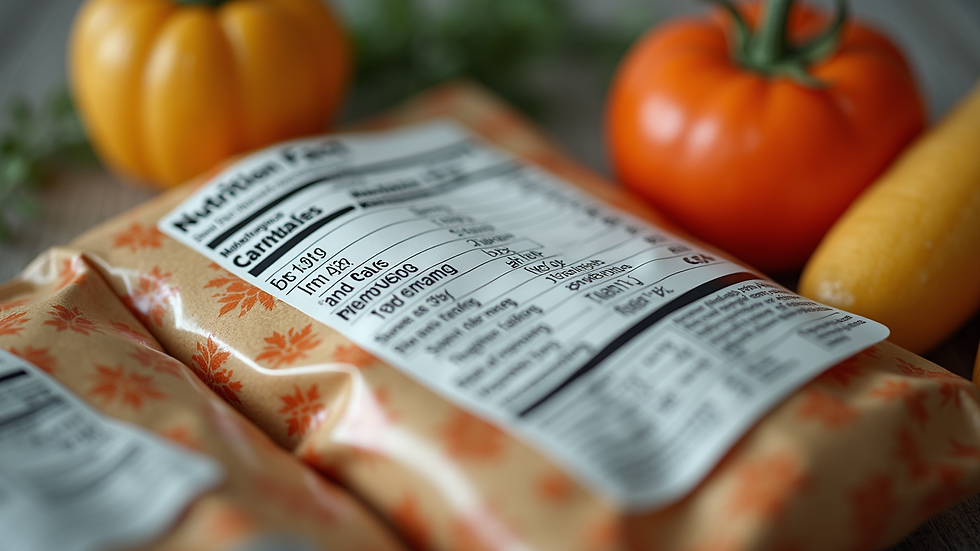
Understanding the Basics of Nutrition Labels
Nutrition labels in Canada are standardized, which means they follow a consistent format. This makes it easier for consumers to compare different products. Here are the main sections you will encounter on a typical Canadian nutrition label:
1. Serving Size
The serving size is the first thing you’ll see on the label. It indicates the amount of food that the nutritional information is based on. Serving sizes can vary between products, so it’s crucial to pay attention to this section.
Why it matters: If you eat more than the serving size, you will consume more calories and nutrients than what is listed. For example, if a serving size is 1 cup and you eat 2 cups, you need to double the nutritional values.
2. Calories
The calories section tells you how much energy you will get from one serving of the food. This is important for managing your daily caloric intake.
Tip: If you are trying to lose weight, aim for foods that are lower in calories but high in nutrients.
3. Nutrients
The nutrients section lists the amounts of various nutrients in one serving. Here are some key nutrients to look for:
Fats: Look for total fat, saturated fat, and trans fat. Aim to limit saturated and trans fats as they can increase the risk of heart disease.
Cholesterol: High cholesterol levels can lead to heart problems, so keep an eye on this number.
Sodium: High sodium intake can lead to high blood pressure. Aim for foods with lower sodium levels.
Carbohydrates: This includes total carbohydrates, dietary fiber, and sugars. Focus on foods high in fiber and low in added sugars.
Proteins: Essential for muscle repair and growth, proteins are a vital part of your diet.
4. Vitamins and Minerals
Nutrition labels also provide information about vitamins and minerals. Look for:
Vitamin A and C: Important for immune function and skin health.
Calcium and Iron: Essential for bone health and oxygen transport in the blood.
5. % Daily Value (%DV)
The % Daily Value tells you how much a nutrient in a serving contributes to a daily diet.
5% DV or less is considered low for a nutrient.
15% DV or more is considered high for a nutrient.
This percentage helps you gauge whether a food is a good source of a nutrient. For example, if a food has 20% DV of calcium, it means that one serving provides 20% of the calcium you need for the day.
Tips for Reading Nutrition Labels
1. Compare Similar Products
When shopping, take the time to compare nutrition labels on similar products. This can help you choose the healthier option. For example, if you are deciding between two types of yogurt, look at the sugar content, fat content, and protein levels.
2. Focus on Whole Foods
Whenever possible, choose whole foods that have minimal processing. These foods often have fewer additives and preservatives, making them a healthier choice overall.
3. Be Cautious of Health Claims
Many products make health claims on their packaging, such as "low fat" or "sugar-free." However, these claims can sometimes be misleading. Always check the nutrition label to see the actual nutrient content.
4. Educate Yourself on Ingredients
Understanding the ingredients list can also help you make better choices. Ingredients are listed in order of quantity, from highest to lowest. If sugar or unhealthy fats are among the first few ingredients, it’s best to avoid that product.
5. Keep Your Goals in Mind
Whether you are trying to lose weight, gain muscle, or simply eat healthier, keep your personal goals in mind when reading nutrition labels. This will help you make choices that align with your dietary needs.
Common Misconceptions About Nutrition Labels
1. All "Natural" Foods Are Healthy
Just because a product is labeled as "natural" does not mean it is healthy. Always check the nutrition label for added sugars, unhealthy fats, and sodium levels.
2. Low-Fat Means Low-Calorie
Many low-fat products add sugar to enhance flavor, which can lead to a higher calorie count. Always compare the calories in low-fat options with their full-fat counterparts.
3. Organic Equals Healthy
Organic foods can still be high in calories, sugars, and unhealthy fats. Always read the nutrition label to determine the actual health benefits.
Practical Examples of Reading Nutrition Labels
Example 1: Breakfast Cereal
Let’s say you are choosing between two breakfast cereals.
Cereal A has:
- Serving Size: 1 cup
- Calories: 150
- Sugars: 12g
- Fiber: 3g
- %DV of Iron: 10%
Cereal B has:
- Serving Size: 1 cup
- Calories: 120
- Sugars: 6g
- Fiber: 5g
- %DV of Iron: 15%
In this case, Cereal B is the healthier option because it has fewer sugars, more fiber, and a higher percentage of iron.
Example 2: Snack Bars
When comparing snack bars, consider the following:
Bar A:
- Serving Size: 1 bar
- Calories: 200
- Total Fat: 10g
- Sugars: 15g
- Protein: 5g
Bar B:
- Serving Size: 1 bar
- Calories: 180
- Total Fat: 5g
- Sugars: 8g
- Protein: 10g
Here, Bar B is a better choice due to lower sugar content and higher protein.
Conclusion
Reading Canadian nutrition labels effectively can empower you to make healthier food choices. By understanding the key components of nutrition labels, you can better manage your dietary needs and preferences. Remember to compare products, focus on whole foods, and keep your personal health goals in mind.
The next time you’re at the grocery store, take a moment to read the labels. Your body will thank you for it!
Comments